What We Love
There’s Something for Everyone: If you're a couple or group of friends seeking to enjoy the buzz of bustling beach bars and duty-free shopping areas, the Eastern Caribbean is a good choice. The Western Caribbean, meanwhile, draws families with its adventure-focused activities and water parks. Mexico’s Yucatan peninsula has several — including Xcaret, Xel-Ha, and Rio Secreto (The Secret River) — that capitalize on the region’s ancient underwater caves. There’s tubing and swimming along scenic waterways and lagoons, but the biggest thrill is exploring the underground pools, called cenotes. Southern Caribbean islands, especially Aruba, Curaçao, and Bonaire, are known for stellar beaches, steady breezes, and arid terrain that can be explored via ATV. These islands also rarely feel the effects of tropical storms.
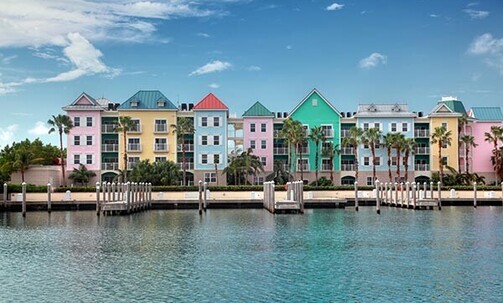
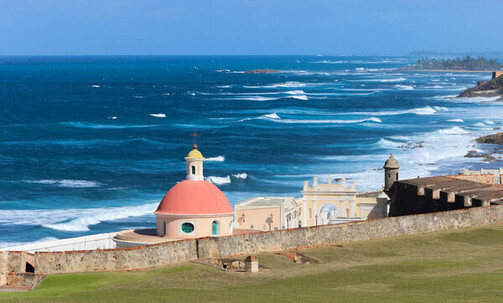
History Abounds: Amid the Eastern Caribbean’s modern beach resorts there are also centuries-old forts, sugar mills, and other vestiges of the islands' colonial past. In San Juan, check out 16th-century El Morro citadel, and in Charlotte Amalie on St. Thomas there's the 17th-century, red-brick Fort Christian to explore. In the Western Caribbean, Mexico’s ancient Mayan culture is easily discovered. The seaside ruins of Tulum, set high on a rocky bluff above the surf, are stunning. Inland, the ancient city of Chichen Itza has a massive, pyramid-shaped temple at its core. For European influences, head to the Southern Caribbean. From the charming Dutch architecture in Aruba and Curaçao to the French baguettes and cheeses in Guadeloupe, colonial heritage infuses these islands with distinctive culture and flavors.
Best Known For
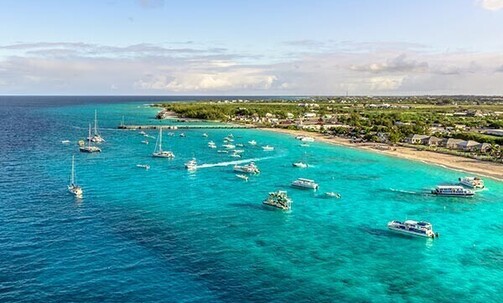
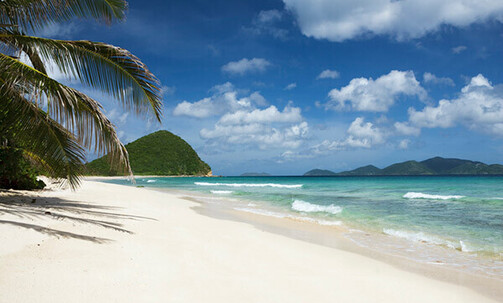
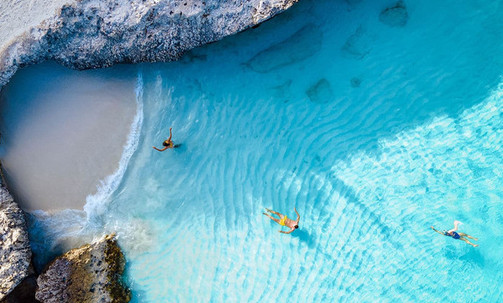
Incredible Beaches: The islands of the Eastern Caribbean and The Bahamas are home to beaches that are wide, white, and incredibly photogenic. Favorites include Saline Beach on St. Barts, Trunk Bay on St. John, and Orient Bay on the French side of St. Maarten. Further south, you’ll find equally dazzling Palm and Eagle beaches on Aruba’s west coast and pink-sand Crane’s Beach on Barbados, where the surf can be rough but the setting is easy on the eyes. The Western Caribbean’s beaches aren’t too shabby either, especially Seven Mile Beach on Grand Cayman and the numerous shores lapped by gentle turquoise surf along Mexico’s Riviera Maya. Cruise lines also all maintain their own private islands, mainly in The Bahamas but also in Belize, where guests can spend a beach day sunning, snorkeling, sipping tropical cocktails, and enjoying watersports.
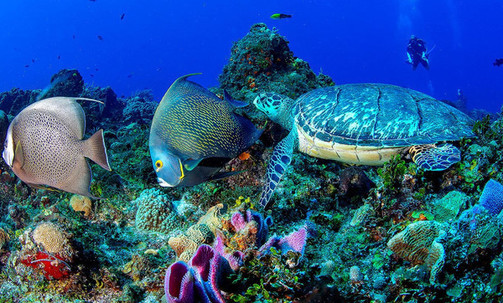
Accessible Nature: Whether you want to snorkel amid schools of technicolor reef fish, learn about sea turtles, or get close to some alien-looking sea creatures, it’s all possible in the Caribbean. On a Western Caribbean itinerary that visits Grand Cayman, you can head to Stingray City, a bucket-list hot spot where you can hop in the shallow waters of a sand bar to watch, feed, and pet the tame stingrays that swarm around visitors. Belize’s coral reefs are also an excellent place to snorkel and dive, while river tubing and rafting through Jamaica’s lush jungles are must-do excursions for the adventurous.
Multicultural Cuisines: Foodies can try a taste of French delicacies in St. Martin and St. Barts, Spanish preparations in Puerto Rico and the Dominican Republic, cheesy Dutch classics in Aruba and Curacao, and savory Creole dishes in St. Lucia and Grenada — in other words, there’s a melting pot of international flavors. In Cozumel or Costa Maya, visited on Western Caribbean sailings, you’ll savor the flavors of Mexico, from enchiladas to margaritas, while spicy jerk chicken and bammy (fried cassava root) are on the menu in Jamaica.
Best Ports
Charlotte Amalie, St. Thomas: If your ship calls on St. Thomas, you'll have two options: Enjoy the island’s photogenic Magens Bay Beach, snorkel tours, and duty-free shopping, or take the short ferry ride to St. John and head to the sugar-white sands of gorgeous Trunk Bay for its marked underwater snorkeling trail. Why is St. John so pristine? More than half of the island is protected as U.S. National Park land.
San Juan, Puerto Rico: Old San Juan, with its atmospheric cobblestone streets, churches, and fortresses, is lovely. Many of the buildings date back to the 16th and 17th centuries and foodie walking tours through Old San Juan’s cobblestone streets are popular. Travelers seeking an adrenaline rush can enjoy zip-line adventures and ATV tours just a short drive away.
Falmouth, Jamaica: The natural beauty of the island’s lush jungles and rivers, coupled with the distinctive Jamaican lifestyle, makes this island a fun place to spend the day. Look for reggae music and local dishes, such as jerk chicken and curried meat patties.
Gustavia, St. Barts: This hilly little island is home to gorgeous beaches and lots of boutique hotels and chic restaurants where celebrities and jet-setters hang out. Despite the fact its main port town, Gustavia, was named after a Swedish king, St. Barts is very French. You'll find great croissants and better Champagne here.
St. George’s, Grenada: The tiny horseshoe-shaped harbor in St. George’s is filled with colorful skiffs. Above it, the well-preserved 18th-century Fort George offers breathtaking 360-degree views of the harbor and sea. Plus, there are excellent beaches and, in the interior, treks through the rainforest to see waterfalls and spot mona monkeys in the treetops.
Oranjestad, Aruba: Gorgeous white beaches go on for miles along the island’s western coast. Meanwhile, the interior looks like the surface of the moon, with odd rock formations and caves. Casinos also provide a diversion for travelers who wish to try their luck at gaming.
Don't Say We Didn't Warn You
Ports Can Be Crowded: Eastern and Western Caribbean cruises are very popular, especially from December to April when most cruise lines’ megaships are sailing the region, so St. Thomas, St. Maarten, and Puerto Rico get really packed when multiple ships are in port. Thousands of passengers all pouring off ships en masse means traffic jams, crowded beaches, and waiting in line — for everything. On Western Caribbean sailings, you can expect the same in ports in Jamaica and Mexico.
Itineraries Can Be Subject to Change: During peak Atlantic hurricane season (July to October), cruise itineraries in the Caribbean can be altered to avoid a storm’s path. This could mean a missed port or two, extra sea days, or even an entirely new itinerary (Western Caribbean when you booked Eastern Caribbean, or vice versa). Cruise lines are adept at adjusting to storm activity, so a flexible mindset is key when booking a Caribbean cruise in summer or early fall.